Hit by a Careless Driver?
Make them pay.
From a rear-end collision on Ogden Avenue to a pileup on I-88, the other driver’s carrier wants your claim closed fast and cheap. We investigate the crash, secure the medical record, and recover every dollar the law allows.
- 2 years
- From the crash to file an injury suit in Illinois.
- 25/50
- The minimum liability coverage Illinois requires, in thousands.
- More than half
- The share of fault that bars recovery. Less, and you still collect.
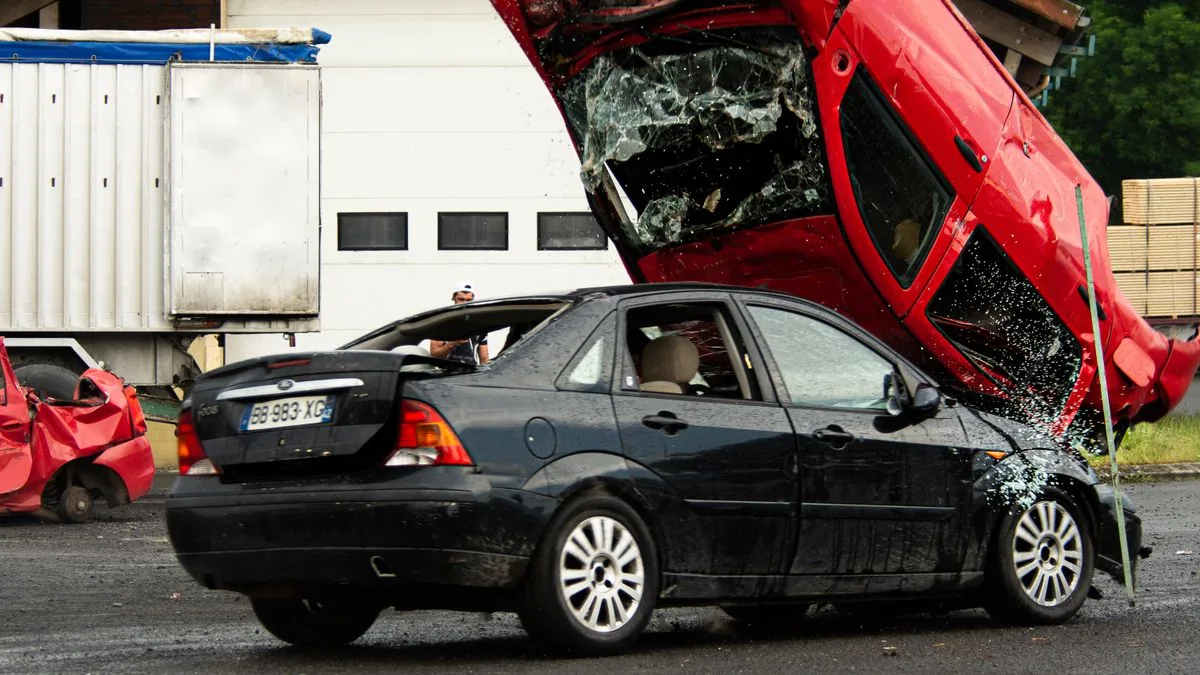
When to call.
Most people call after the first conversation with an adjuster goes sideways. These are the moments that bring them to the phone.

“The adjuster wants a recorded statement before they can do anything.”
There is no rule that says you owe them one. Every word is used to shrink the claim, so the statement waits until an attorney has talked with you.
“They are saying I was partly at fault.”
Every percentage point they pin on you comes off your check, and more than half ends the claim. We go back to the report, the witnesses, and the vehicles before the carrier’s version sets.
“The other driver only had the minimum coverage.”
Illinois requires just $25,000 per person. Your own uninsured and underinsured motorist coverage is the next source, and your own carrier fights it like any other.
“My car is fixed and they are offering me a check for the rest.”
The first offer is priced for someone without a lawyer and signing it closes the claim for good. Nobody knows what the injury is worth until the treatment is done.
“The driver who hit me took off.”
A hit-and-run runs through your own uninsured motorist coverage. Report it to the police right away and let us handle your carrier.
The safest answer is early.
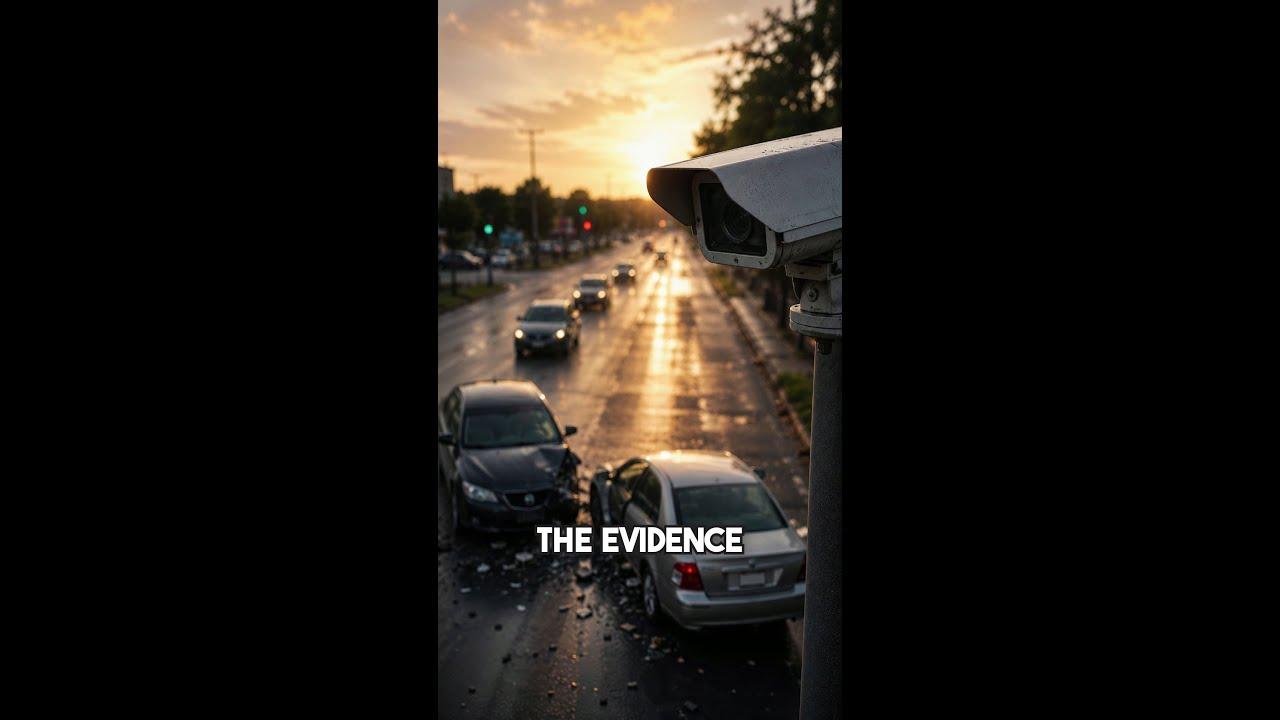
The report, the footage, and the witnesses are easiest to lock down in the first days. Call 331-INJURED. The consultation is free, and there is no fee unless we win.
Three sources of recovery.
Illinois law lets a person hurt by a careless driver recover medical bills, lost income, pain and suffering, future care, and the loss of a normal life. The person paying is almost never the driver. It is a carrier, and its adjusters are paid to settle for less than the claim is worth. The firm’s founder spent 3 years on that side of the desk. These are the three places the money comes from, and how each gets chipped at.
- The at-fault driver’s policy
- Illinois requires every driver to carry at least $25,000 per person and $50,000 per crash in bodily injury coverage. That policy pays for your injuries in proportion to the other driver’s fault, and your own share of fault, if any, comes off the top.
Where carriers cut
- A recorded statement taken before you see a doctor.
- Fault pushed onto you one percentage at a time.
- A settlement offered before treatment is finished.
- Your own policy
- Every Illinois auto policy carries uninsured motorist coverage, and most carry underinsured coverage on top of it. It steps in when the driver fled, had no insurance, or had too little. Your carrier owes it to you, and it is still a claim you have to prove.
Where carriers cut
- Treating a hit-and-run as unproven.
- Underinsured coverage rejected in writing years ago.
- Your own carrier arguing the injury like the other side would.
- The bar that served the driver
- When a drunk driver hurts you, the bar or store that served the alcohol can be liable under the Illinois Liquor Control Act. It is a separate claim with its own 1-year deadline and its own cap. It is often the only meaningful coverage in a drunk-driving case.
Where carriers cut
- The 1-year clock runs while the injury claim is still open.
- Receipts and video gone before anyone asks.
- Nobody at the scene asked where the driver had been.
Crashes we see most.
The firm has handled every kind of collision on the roads around Naperville. These are the ones that come through the door most often, and where the carrier tends to undervalue them.
Rear-end collisions
The most common crash and the most dismissed. Whiplash, neck and back strains, and disc injuries show up days later, and so does the claim that nothing is wrong.
Where it gets undervalued
Low vehicle damage is used to argue low injury, and the two have little to do with each other.
T-bone and intersection crashes
A driver runs a red light or a stop sign and hits the side of your car, where there is the least protection. Hip, pelvis, shoulder, and head injuries are typical.
Where it gets undervalued
Each driver says the light was green. Signal timing and camera footage settle it, if someone gets them in time.
Head-on and highway wrecks
Head-on collisions and multi-vehicle pileups on I-88, I-355, and I-294 bring the most serious injuries: fractures, spinal cord injuries, and traumatic brain injuries.
Where it gets undervalued
Several drivers and several carriers, each pointing at the others while the limits run out.
Drunk, distracted, and drowsy drivers
A driver on the phone, asleep, or over the limit. The police report, phone records, and bar receipts become the case.
Where it gets undervalued
The driver’s own carrier settles quickly for the policy limit and hopes nobody looks for the bar.
Hit-and-run and uninsured drivers
The driver fled, had no insurance, or carried the $25,000 minimum. The claim moves to your own uninsured or underinsured motorist coverage.
Where it gets undervalued
Your own carrier questions whether the crash happened the way you said.
Rideshare passengers
Hurt as a passenger in an Uber or Lyft, or hit by one. Which policy applies depends on what the driver was doing in the app at the moment of the crash.
Where it gets undervalued
The rideshare company and the driver’s personal carrier each say the other one is on the hook.
Hit in a way not listed here? We have handled it. Call 331-INJURED and tell us what happened.
When the other driver cannot pay.
Illinois sets the minimum liability coverage at 25/50/20, and a great many drivers on I-88 and Ogden Avenue carry exactly that, or nothing at all. A single night in the hospital can exhaust it. The claim does not stop there, but each of the next sources has its own rules, and its own adjuster.
- Their policy
- The at-fault driver’s liability coverage pays first, up to its limit. Illinois requires only 25 per person and 50 per crash, in thousands, and a serious injury runs past that in the emergency room.
- Your policy
- Every Illinois auto policy carries uninsured motorist coverage at the same 25/50 minimum, and underinsured coverage unless it was rejected in writing. If you bought more, it is there. Your own carrier still treats the claim as adversarial, and it is handled like one.
- Medical payments
- Many policies include medical payments coverage that pays bills as they come in, regardless of fault, so treatment does not wait on the liability claim. Ask us whether yours has it.
- The bar
- When a drunk driver hit you, the bar or store that served the alcohol can be liable under the Illinois Liquor Control Act. It is a separate claim with a 1-year deadline, and often the only meaningful coverage in the case.
How the case moves through court.
An injury claim starts with the carrier and, if it has to, ends in front of a jury. The carrier has been through this a thousand times. After this, you will know the road too.
01
Investigation and demand
Evidence is secured, treatment runs its course, and a demand goes to the carrier with every bill, every lost paycheck, and what the injury will cost later. Many cases resolve here.
02
Suit filed
If the carrier will not pay what the case is worth, a complaint is filed in the circuit court of the county where the injury happened. Two years from the injury is the deadline, one year if a public body is a defendant.
03
Discovery
Both sides exchange records and take depositions. You will be deposed, and we prepare you for every question before you hear it. The carrier's doctor examines you; so does yours.
04
Mediation
Most courts send the case to a mediator or a settlement conference before trial. Whether to accept an offer is always your decision, with our recommendation and the reasons for it.
05
Trial
A jury in the county courthouse decides fault and damages. Every file is prepared for this from the first day, which is why so few need it, and why carriers make stronger offers to a firm that tries cases.
DuPage County cases are heard in Wheaton, Will County in Joliet, Kane County in Geneva, Kendall County in Yorkville, and Cook County at the Daley Center and the suburban districts. The attorneys try cases in all five, and they know what each courthouse expects.
The people on your file.
A car crash case here is not handed to a call center. The attorney who takes your call is the one who negotiates with the carrier and tries the case if it comes to that, and the paralegal who opens your file is the one who calls you back.

Jason A. Marker
Founding attorney
Three years defending insurance carriers before twenty-five representing the injured. He knows what an adjuster’s reserve on a rear-end claim looks like, and how to move it.
Profile
Dan McLean
Attorney
Spent years inside a health insurer resolving liens. Hospital and health plan liens eat into car crash settlements, and Dan’s work on them is why clients here take home more.
Profile
Liz Ruiz
Paralegal
Injury law since 2006, with a background as a paralegal and medical case manager. She keeps the treatment, the bills, and the records moving while you heal.
Profile
What to say, and what not to, after a crash.
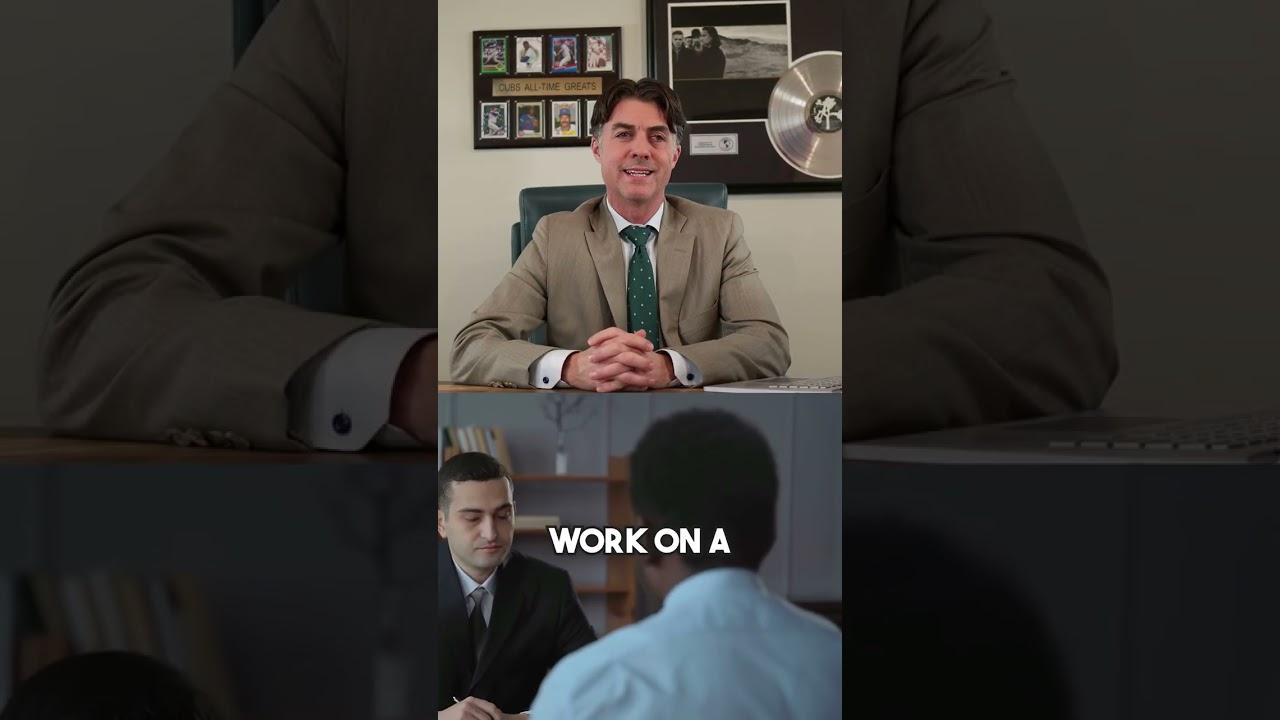
Jason Marker answers what people ask most after a car accident.
- More videos: car accidents
- Podcast: From Napster to Ring Cameras: How Digital Evidence Can Make or Break an Injury Case
- Blog: How to Choose the Right Car Accident Attorney in Illinois
- Blog: How Much Does a Car Accident Lawyer Cost? Complete Guide
- Blog: Average Car Accident Settlement With a Lawyer: Complete Guide
General information about Illinois law, not legal advice for your situation.

Questions about car accident claims.
Reviewed by Jason A. Marker, attorney, licensed in Illinois since 2000.
What should I do right after a car accident in Illinois?
Get medical attention, even if you feel fine, and call the police so a crash report is created. Photograph the vehicles and the scene if you safely can, and get the names and numbers of any witnesses. Do not give a recorded statement to any insurance company until you have talked with an attorney.
How long do I have to file a car accident claim in Illinois?
Two years from the date of the crash for an injury claim, and 5 years for property damage alone. If a city, county, or other public entity was involved, the deadline is 1 year. A claim against the bar that served a drunk driver also has a 1-year deadline, so call sooner rather than later.
What if the other driver was uninsured or underinsured?
You can recover under your own uninsured or underinsured motorist coverage. Illinois requires every auto policy to carry uninsured motorist coverage, and underinsured coverage is offered on every policy unless it was rejected in writing. We handle these claims regularly and know how to push back when your own carrier lowballs you.
Can I still recover if I was partly at fault?
Yes, as long as you were not more than half at fault. Illinois reduces your recovery by your share of the fault, and bars it only when your share is more than half. That is why the carrier works so hard to put fault on you, and why we work to keep it off.
How much is my Naperville car accident case worth?
It depends on the injury, on who was at fault, and on the insurance available. Damages typically include past and future medical bills, lost wages and earning capacity, vehicle damage, pain and suffering, and the loss of a normal life. We give a candid range only after reviewing the records, and never a promise.
Should I take the insurance company’s first offer?
Almost never. A first offer is typically far below what the claim is worth, and once you accept it the claim is closed for good. Have an attorney look at any offer before you sign anything. The evaluation is free.
Tell us what happened.
Free, confidential, any hour. Jason reviews every new inquiry himself, and there is no fee unless we recover money for you.