From Napster to Ring Cameras: How Digital Evidence Can Make or Break an Injury Case
Dash cam video, doorbell footage, and black box data can show who was really at fault in a crash, but that evidence can disappear within two weeks. Jason Marker and co-host Evan Mack go from Napster and the Metallica lawsuit to what the new technology means for an injury case.
The beat
Napster, the Metallica lawsuit, and how music moved to subscriptions.
The briefcase
Dash cams, doorbell cameras, and black box data as evidence in an injury case.
Car accidentsEpisode 5 of The Briefcase & the Beat · · 16 min
Listen onSpotifyApple Podcasts
The conversation.
What digital evidence can decide an injury case?
- 1Dash camsFootage that can show who was actually at fault.
- 2Doorbell and security camerasRing cameras and surveillance video from homes and businesses near the scene.
- 3Black box dataWhat a vehicle can record about speed, braking, and steering.
Jason starts on cameras at 9:33 in the episode.
How did the digital revolution change the music industry forever?
The digital revolution, with platforms like Napster, shifted the music industry from physical CDs to digital downloads. Initially, services like Napster allowed users to share and download music for free, which was groundbreaking but legally questionable. This shift eventually led to subscription-based models like Spotify and Apple Music, where artists are compensated through revenue sharing from subscriptions and advertisements.
Why was the lawsuit between Metallica and Napster significant?
The lawsuit filed by Metallica against Napster was pivotal because it addressed the legality of file-sharing services. Metallica argued that Napster was infringing on their copyrights by allowing users to download their music for free, setting a precedent for digital music rights. This led to the evolution of file-sharing into paid subscription services, ensuring artists received compensation for their work.
How has the shift to platforms like Spotify and Apple Music impacted the music industry?
The shift to platforms like Spotify and Apple Music has revolutionized the music industry by introducing a subscription-based model. Revenue is generated through user subscriptions and advertising, with a significant portion going to artists, labels, and distributors. This model ensures that artists are compensated for their work, based on the percentage of streams, providing a more sustainable income source than the previous free file-sharing systems.
Do you prefer digital music access or physical formats like vinyl, and why?
Both digital and physical music formats have their appeal. Digital access offers unmatched convenience, allowing users to download music instantly from anywhere. However, there’s a nostalgia and richer experience associated with physical formats like vinyl, including enjoying album art and lyrics. Many appreciate having the tangible connection and audio quality that physical records provide.
How has technology changed the way injury cases are investigated?
Technology has dramatically altered injury case investigations through the use of devices like phones, cameras, and digital recorders. Tools such as dash cams, Ring cameras, and black boxes provide crucial evidence that can clarify accident circumstances. This digital evidence offers undeniable proof of events, making it indispensable in legal proceedings.
What role does black box data play in vehicle accident investigations?
Black box data is crucial in accident investigations as it captures detailed information about vehicle operations. This includes speed, brake usage, steering inputs, and GPS locations, which can help determine the events leading to an accident. In trucking cases, it also reveals driver compliance with regulations, such as hours of service, aiding in establishing liability.
How quickly can digital evidence disappear after an accident?
Digital evidence can vanish in as little as two weeks if not preserved. Surveillance footage from cameras, such as those on traffic lights or businesses, often overwrites quickly. To prevent loss, it’s essential for attorneys to issue preservation letters promptly, securing the evidence for legal proceedings and ensuring it remains available for examination.
Can you share a case where digital evidence was crucial in proving what happened?
In one case, a dash cam was pivotal in proving a client’s innocence. Initially accused of rear-ending another vehicle, the dash cam footage revealed that the other driver had reversed into him, causing the collision. This evidence contradicted the police report and the other driver’s account, leading to a favorable settlement by clearly demonstrating the true sequence of events.
How long the evidence lasts, and how long you have.
The footage can run out long before the deadline to sue does. The gold bars show how soon each limit arrives, out of two years, and each has exceptions.
2 weeks
Car accidentsVideo and data can start to disappear.
That is the episode’s warning, and it is why a preservation letter should go out early. It is a practical limit, not a legal one.
From the episode’s notes
6 months
Truck accidentsA trucking company can stop keeping driver logs.
Federal rules require carriers to keep driver logs and supporting documents for at least six months from when they receive them, so a truck case has a clock of its own.
49 CFR 395.8(k)
2 years
Personal injuryFile an injury suit in court.
Counted from the injury in most cases, such as a crash. A suit against a city, county, park district, public school, or other local public body usually has to be filed within one year.
735 ILCS 5/13-202; 745 ILCS 10/8-101
General information about Illinois law, not legal advice for your situation. Every case turns on its own facts, and a past result does not predict a future one.
Who’s talking.
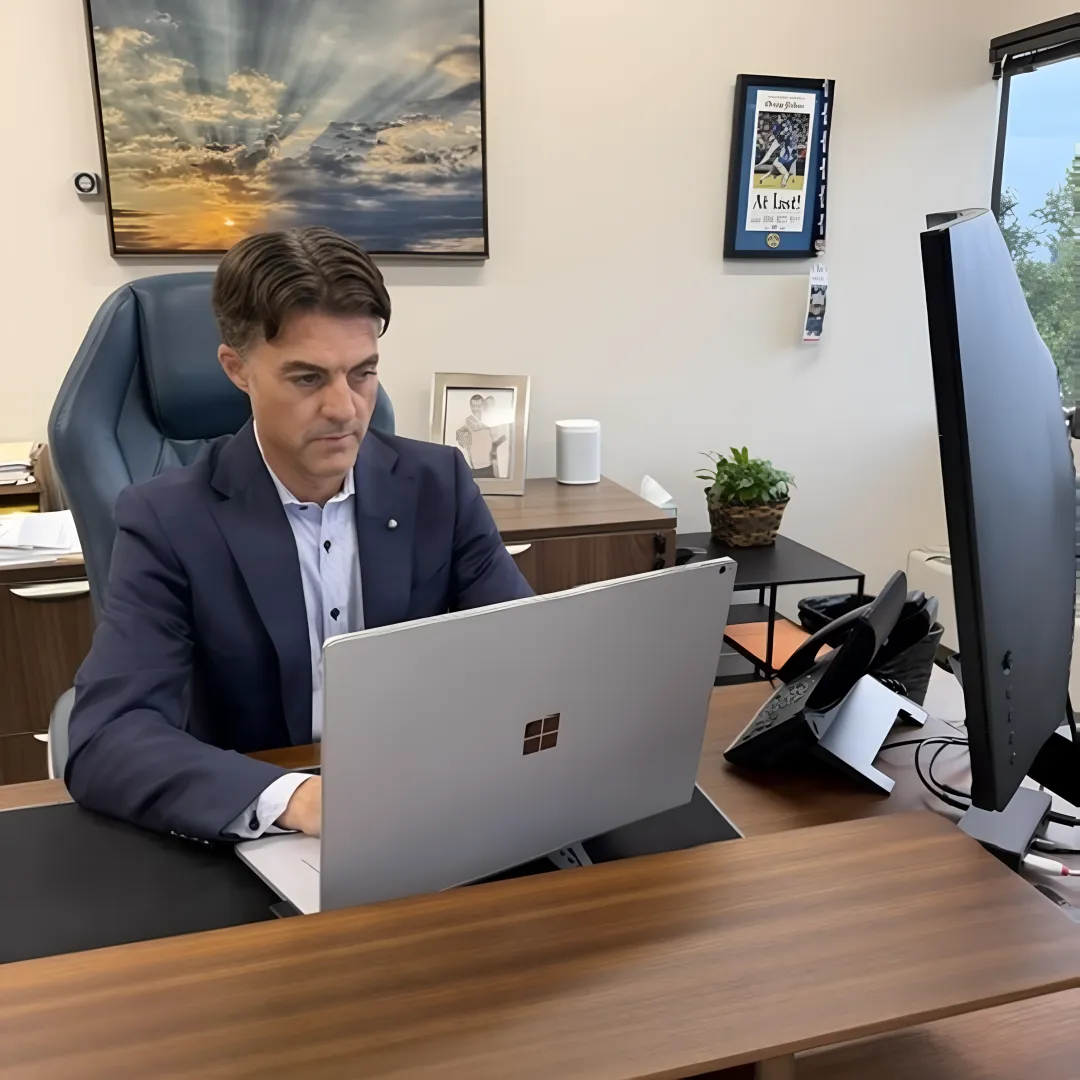
Jason Marker grew up in Naperville and still practices there. He started out defending insurance companies in injury cases, which is why he knows how a carrier reads a claim.
- 2000
- Admitted to the Illinois bar
- 3 years
- Defending insurance companies in injury cases, right out of law school
- Naperville
- 1250 E. Diehl Road, Suite 406, Naperville, IL 60563

Tell us what happened.
Free, confidential, any hour. Jason reviews every new inquiry himself, and there is no fee unless we recover money for you.