The Comeback Tour: Returning to Work After a Serious Injury
Going back to work before you are ready can set back your recovery, and it can affect your workers’ comp claim. Jason Marker and co-host Evan Mack start with the great reunion tours and end on the harder comeback, the one that has to be ready both physically and mentally.
The beat
Why band reunions land: Oasis, Guns N’ Roses, Fleetwood Mac.
The briefcase
Going back to work after a serious injury, and what it can mean for a comp claim.
Workers’ compensationEpisode 7 of The Briefcase & the Beat · · 16 min
Listen onSpotifyApple Podcasts
The conversation.
What stands between an injury and going back to work?
- 1Your doctor’s releaseWhat your doctor says you can do now, and any restrictions on it.
- 2A functional capacity evaluationA set of tests of what you can physically do, such as lifting and carrying, often used to help set those restrictions.
- 3Light dutyLighter work within your restrictions, if your employer has a real job to offer.
Jason explains the evaluation at 12:00 in the episode.
What are some of the most successful comeback tours in music history?
Comeback tours often rekindle excitement and nostalgia among fans, with notable examples including Oasis’s successful reunion tour in 2025. Guns N’ Roses made a significant comeback in 2016 after a 20-year hiatus, despite critiques of Axl Rose’s voice. The Eagles’ 1994 tour, aptly named “When Hell Freezes Over,” marked their return after famously declaring they wouldn’t reunite. Fleetwood Mac also made a triumphant return in 2014, featuring Stevie Nicks, drawing large crowds eager to relive their musical magic.
Why do some artists successfully sell out arenas after years of absence?
Artists who disappear for years yet sell out arenas often have a unique sound and songs that evoke strong emotional connections. Their music survives decades, creating a longing among fans to experience it live again. Breakups leave audiences wanting more, and when these bands reunite, the nostalgia and emotional identity tied to their music drive people to attend their concerts in droves.
Which band comeback are you still hoping for?
Several bands are on the wishlist for potential comebacks. R.E.M. is one band many hope to see perform again, having stopped touring in 2008. Talking Heads, despite their unlikely reunion, remain a dream for many fans. Daft Punk, known for their groundbreaking live performances, is another group whose return would be highly anticipated by their global fanbase.
Why do people love a good comeback story?
People are drawn to comeback stories due to nostalgia and the emotional journey associated with favorite songs and artists. These stories remind individuals of personal milestones and are often tied to memories of both good and challenging times. Additionally, there’s a universal appeal in rooting for second chances and witnessing reconciliations, aligning with a broader desire for positivity and renewed connections.
How do you know when someone is ready to return to work after a serious injury?
Determining readiness to return to work involves assessing both physical and mental recovery. Like athletes recovering from injuries, individuals face the challenge of regaining confidence in their abilities. Successful comebacks require acceptance of new physical conditions and overcoming mental barriers. Those who mentally adapt to their post-injury state tend to have more successful returns to work.
What could happen if someone returns to work before they are medically ready?
Returning prematurely can jeopardize recovery and legal entitlements. Doctors must provide clearance based on objective assessments like X-rays or MRIs. If someone returns too soon, they may forfeit benefits linked to their inability to perform previous job duties. It’s crucial to have a medical clearance that aligns with the individual’s capacity to ensure they don’t lose out on potential compensation or exacerbate their injuries.
Can returning to work too soon affect a workers’ compensation claim?
Yes, returning to work too early can negatively impact a workers’ compensation claim. If not fully recovered, an individual might miss out on benefits like wage differential compensation. This compensation is crucial for those who can’t return to their previous job and have to accept a lower-paying position. Ensuring that return-to-work decisions are backed by medical evaluations helps protect these entitlements.
What if your doctor clears you for light duty, but your employer wants regular duties?
When cleared for light duty, employers in Illinois can accommodate restrictions temporarily by offering different shifts or tasks. If these restrictions are permanent, the employer must find a suitable position that accommodates these long-term needs. If unable to do so, the employee may need to find another job, potentially qualifying for wage differential benefits if the new job pays less.
Can you still receive workers’ compensation benefits after returning to work?
Typically, upon returning to full-duty work, workers’ compensation benefits cease. However, if an individual returns with restrictions affecting work hours or capacity, they may receive compensation for the difference in wages. Permanent restrictions that prevent a return to full-time work may lead to ongoing benefits until suitable employment is found. If facing such situations, consulting legal resources and understanding state-specific laws is advisable.
The Illinois limits when you go back.
Returning to work does not stop the clock on a claim, and it can change which clock applies. These are the main limits, and each has exceptions. The gold bars show how soon each one arrives, out of three years.
45 days
Work injuriesTell your employer, if you have not.
As soon as practicable, and no later than 45 days after the accident. With a repetitive injury, that clock generally starts when the injury became apparent.
820 ILCS 305/6(c)
2 years
Workers’ compensationFile a claim, counted from your last payment.
Going back to work can end your weekly checks. Two years from the last payment of compensation is one of the two limits on filing with the Commission, and the later one applies. A paid medical bill may not count, so ask before you rely on it.
820 ILCS 305/6(d)
3 years
Injured workersFile a claim, counted from the accident.
The other limit: three years from the accident. If you have already been paid compensation, ask which of the two applies before you rely on either.
820 ILCS 305/6(d)
General information about Illinois law, not legal advice for your situation. Every case turns on its own facts, and a past result does not predict a future one.
Who’s talking.
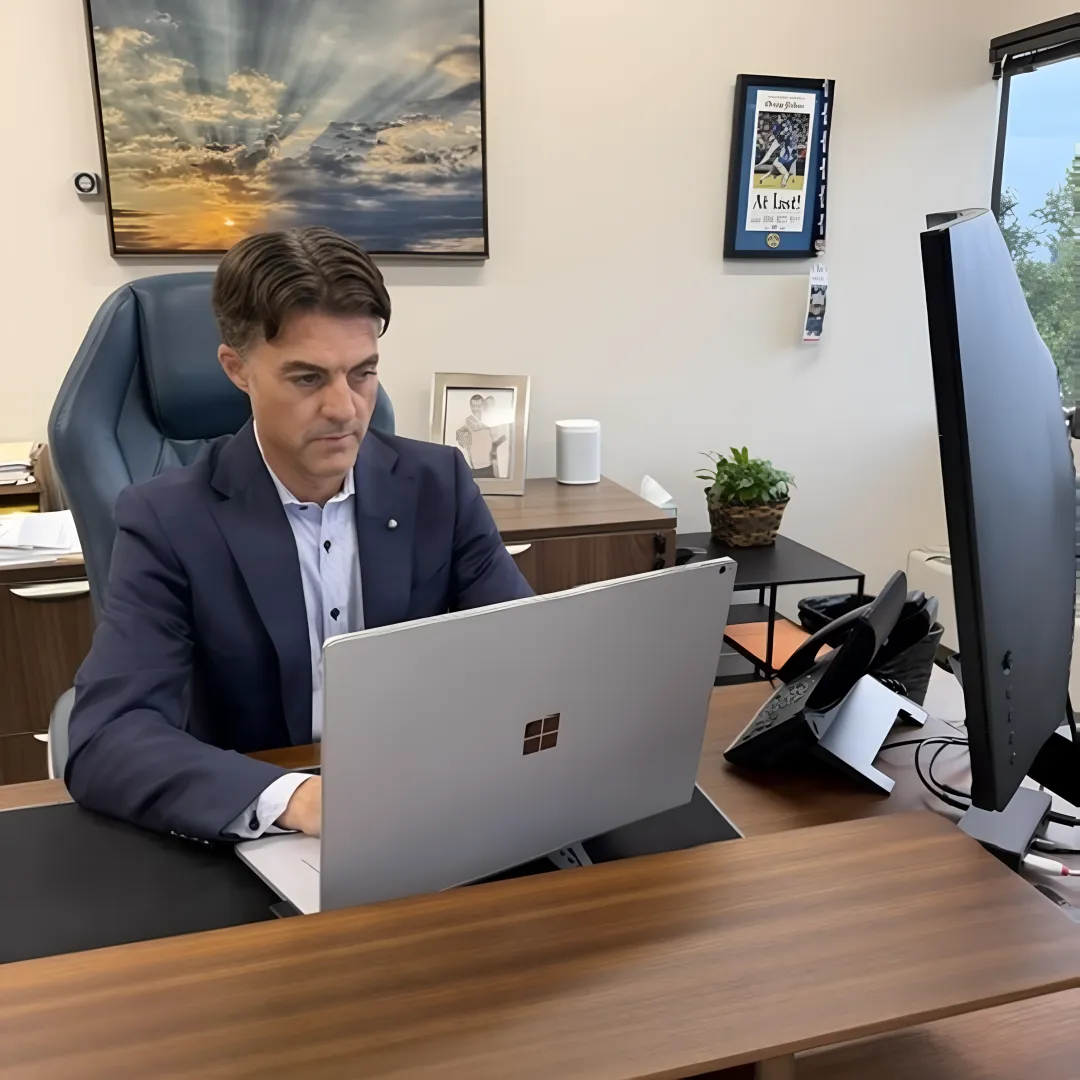
Jason Marker grew up in Naperville and still practices there. He started out defending insurance companies in injury cases, which is why he knows how a carrier reads a claim.
- 2000
- Admitted to the Illinois bar
- 3 years
- Defending insurance companies in injury cases, right out of law school
- Naperville
- 1250 E. Diehl Road, Suite 406, Naperville, IL 60563

Tell us what happened.
Free, confidential, any hour. Jason reviews every new inquiry himself, and there is no fee unless we recover money for you.