Riders Deserve a Fair Shake.
Adjusters and juries start from the idea that the motorcyclist was speeding or weaving. Reconstruction, witnesses, and the physical evidence usually prove the opposite. We do that work, and we do not settle for a rider’s discount.
- No helmet law
- Illinois does not require one. Riding without it is not negligence by itself.
- More than half
- The share of fault that bars recovery. Less, and you still collect.
- 2 years
- From the crash to file an injury suit in Illinois.

When to call.
Riders usually call once they hear the bias out loud. These are the moments that bring them to the phone.

“The driver said he never saw me.”
That is an admission, not a defense. A driver who turned left across your lane had a duty to look, and the physical evidence shows where you were when he did not.
“The adjuster keeps asking how fast I was going.”
The carrier is building a comparative fault argument before it has a single fact. Skid marks, crush damage, and the bike’s position settle speed better than a guess.
“They said I was not wearing a helmet, so the head injury is on me.”
Illinois does not require a helmet, and riding without one is not negligence. The carrier will still argue it, and it has to be answered with medicine, not apologies.
“The police report blames me and I do not think it is right.”
The officer was not there and often takes the driver’s account because the rider went to the hospital. The report is not the case. Witnesses and reconstruction are.
“The driver who hit me did not stop.”
A hit-and-run runs through your own uninsured motorist coverage. Report it to the police immediately and let us take it up with your carrier.
The safest answer is early.
The bike, the gear, and the scene tell the truth, and only while they are still intact. Call 331-INJURED. The consultation is free, and there is no fee unless we win.
Three things the law gives you.
The law does not treat a rider differently from a driver. The same fault rule, the same deadline, and the same coverage apply. What differs is the person applying them: an adjuster who sees a motorcycle and reaches for the stereotype. The firm’s founder spent 3 years defending carriers, and he has watched that reach happen. These are the three things the law gives every rider, and how the carrier chips at each.
- The right to ride without a helmet
- Illinois has no helmet requirement for riders of any age, one of a handful of states without one. Eye protection is required: glasses, goggles, or a transparent shield. Riding without a helmet is not negligence in itself, and the carrier has to prove a helmet would have changed the injury.
Where carriers cut
- Blaming the head injury on the missing helmet.
- Treating gear as a measure of fault.
- Asking the jury to see a biker instead of a person.
- The same fault rule as a driver
- Your recovery is reduced by your share of fault, and barred only if your share is more than half. A driver who turned left across your lane, merged into you, or opened a door in front of you carries the fault for it. The carrier has to prove any share it puts on you.
Where carriers cut
- Assumed speed with no evidence of it.
- Fault split in half as an opening position.
- The rider’s own account dismissed because he was hurt.
- The driver’s policy and your own
- The at-fault driver must carry at least $25,000 per person and $50,000 per crash. Rider injuries outrun that fast, which is where your own uninsured and underinsured motorist coverage comes in. It also pays when the driver fled or had no insurance at all.
Where carriers cut
- A quick policy-limit offer on an injury worth more.
- Your own carrier arguing fault like the other side.
- A hit-and-run treated as unproven.
Crashes and injuries we see most.
A rider usually comes out worse than the people in the car that hit him. These are the motorcycle cases that come through the door most often, and where the carrier tends to undervalue them.
Left-turn collisions
A driver turns left across the rider’s lane at an intersection and says he never saw the bike. The most common motorcycle crash, and the one the carrier fights hardest on speed.
Where it gets undervalued
The driver’s “I did not see him” becomes “he must have been speeding.”
Lane-change and merge crashes
A car drifts into the rider’s lane or merges onto I-88 or Route 59 without checking the mirror. The bike goes down even when there is no contact.
Where it gets undervalued
No contact, no crash, says the carrier, even with a rider on the pavement.
Road defects, gravel, and debris
Loose gravel, a pothole, a grooved surface, or debris left by a work crew will take a bike down where a car would not notice. The road agency or contractor can be responsible.
Where it gets undervalued
A claim against a public body has a 1-year deadline, and most riders do not know it.
Road rash and scarring
Deep abrasions that need debridement and skin grafts and leave permanent scars. The disfigurement is part of the claim, not a cosmetic footnote.
Where it gets undervalued
Priced as a skin injury that healed, with the scars left out.
Fractures
Broken legs, wrists, collarbones, and pelvises, often several at once, with surgery, hardware, and months before you can work or ride.
Where it gets undervalued
The time off work and the second surgery to remove the hardware get left off the ledger.
Head and spine injuries
Traumatic brain injuries, spinal cord injuries, and internal organ damage. We treat every motorcycle case as a potential catastrophic case until the medical picture is clear.
Where it gets undervalued
The helmet argument, and a settlement before the lasting effects are known.
Went down in a way not listed here? We have handled it. Call 331-INJURED and tell us what happened.
The helmet argument.
Illinois does not require a helmet at any age. Eye protection is required, and that is all. The carrier will raise the helmet anyway, on nearly every head injury, because it works on people who do not know the law.
- The law
- Illinois has no helmet requirement for riders of any age. What it does require is eye protection: glasses, goggles, or a transparent shield. A rider without a helmet broke no rule.
- Fault
- Your recovery is reduced by your share of fault, and barred only if that share is more than half. Riding without a helmet is not negligence by itself. The carrier has to prove you did something wrong, and that a helmet would have changed the injury.
- The bias
- Adjusters and juries start from the stereotype: the rider was speeding, weaving, or reckless. We answer it with reconstruction, the physical evidence, and the witnesses, so the room sees what happened instead of what it assumed.
- Left turns
- The most common motorcycle crash is a driver turning left across the rider’s lane. The driver says he never saw the bike. That is an admission of not looking, and the case is built from there.
How the case moves through court.
An injury claim starts with the carrier and, if it has to, ends in front of a jury. The carrier has been through this a thousand times. After this, you will know the road too.
01
Investigation and demand
Evidence is secured, treatment runs its course, and a demand goes to the carrier with every bill, every lost paycheck, and what the injury will cost later. Many cases resolve here.
02
Suit filed
If the carrier will not pay what the case is worth, a complaint is filed in the circuit court of the county where the injury happened. Two years from the injury is the deadline, one year if a public body is a defendant.
03
Discovery
Both sides exchange records and take depositions. You will be deposed, and we prepare you for every question before you hear it. The carrier's doctor examines you; so does yours.
04
Mediation
Most courts send the case to a mediator or a settlement conference before trial. Whether to accept an offer is always your decision, with our recommendation and the reasons for it.
05
Trial
A jury in the county courthouse decides fault and damages. Every file is prepared for this from the first day, which is why so few need it, and why carriers make stronger offers to a firm that tries cases.
DuPage County cases are heard in Wheaton, Will County in Joliet, Kane County in Geneva, Kendall County in Yorkville, and Cook County at the Daley Center and the suburban districts. The attorneys try cases in all five, and they know what each courthouse expects.
The people on your file.
A motorcycle case here is not handed to a call center. The attorney who takes your call is the one who answers the bias in the room, and the paralegal who opens your file is the one who calls you back.

Jason A. Marker
Founding attorney
Three years defending insurance carriers before twenty-five representing the injured. He has seen how a rider’s claim gets reserved and knows how to change the number.
Profile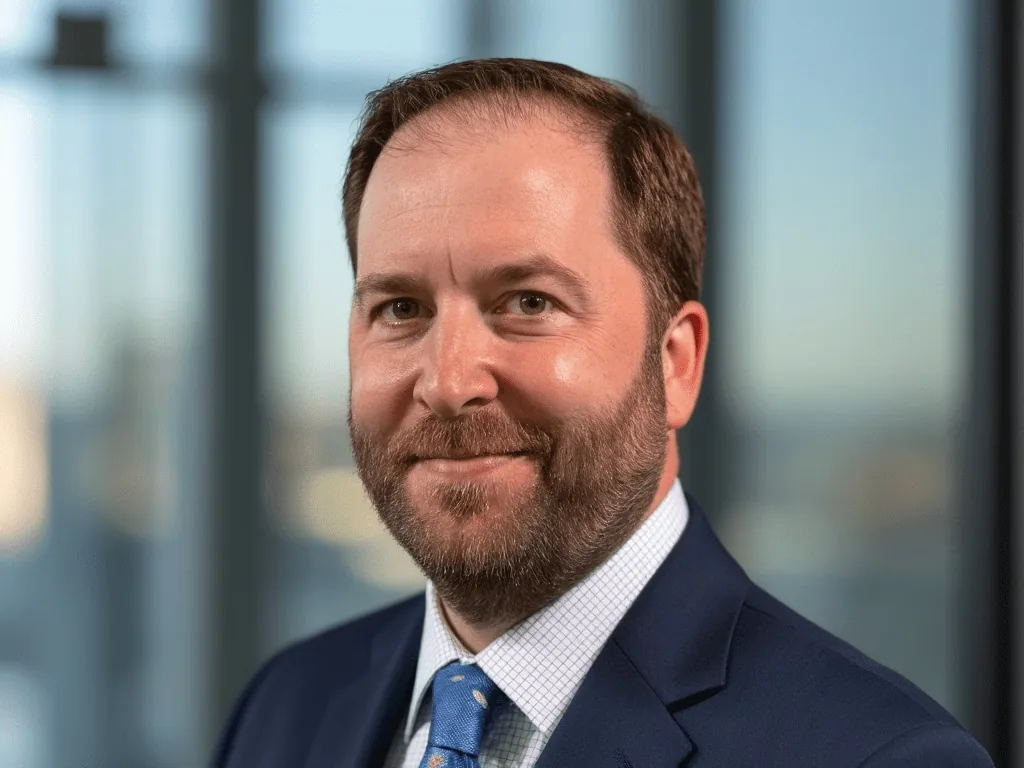
Dan McLean
Attorney
Spent years inside a health insurer resolving liens. A rider with surgeries and grafts has a large hospital lien, and Dan’s work on it is why clients here take home more.
Profile
Liz Ruiz
Paralegal
Injury law since 2006, with a background as a paralegal and medical case manager. She makes sure the scarring, the hardware, and the lasting limits are all in the record.
Profile
The mistakes that cost riders.
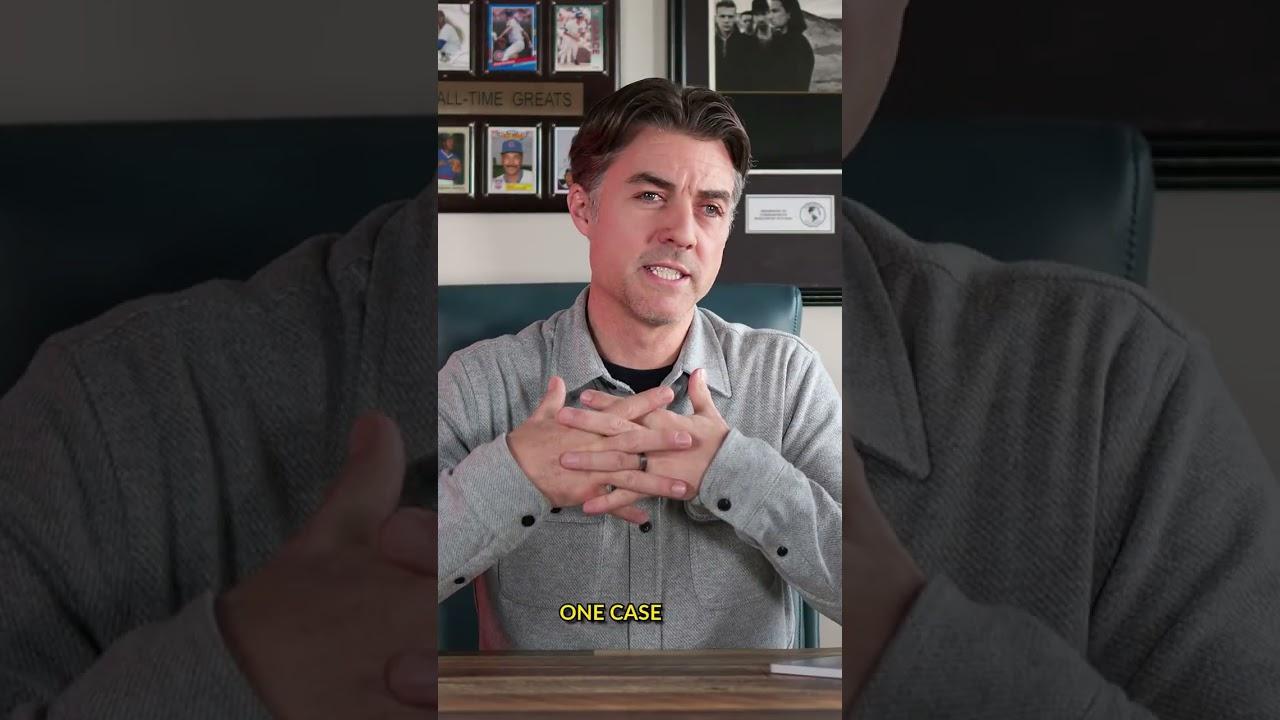
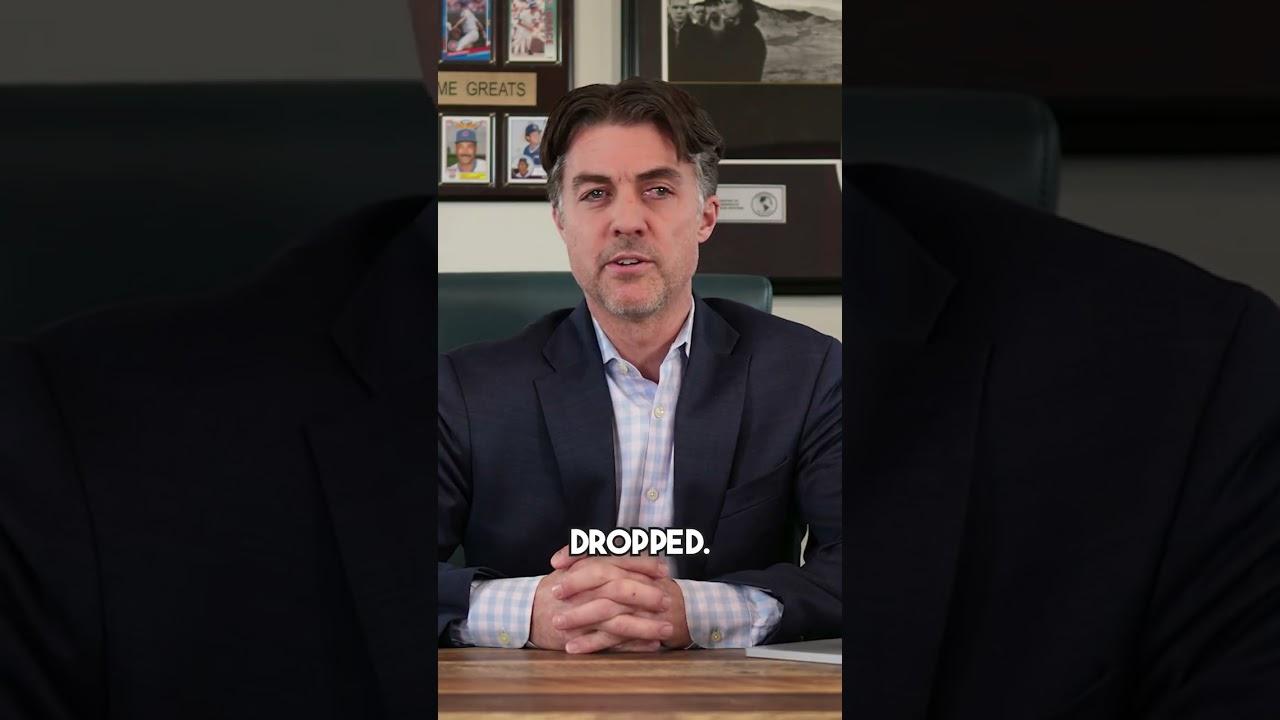
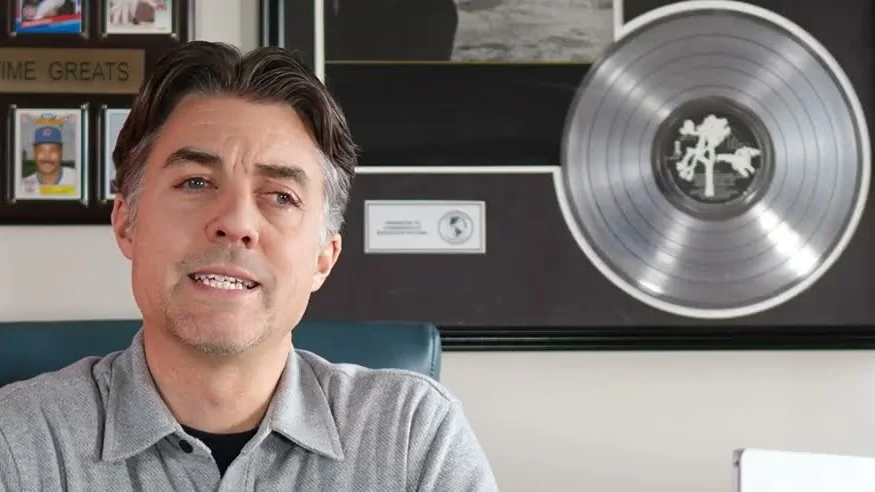
Jason Marker on what hurts a rider’s claim, and how medical care, fault, and early evidence shape it.
- More videos: truck and motorcycle
- Podcast: Records: Why Documentation Can Make or Break an Injury Case
- Blog: Benefits of Hiring a Motorcycle Accident Lawyer for Your Claim
- Blog: Motorcycle Accident Attorney Contingency Fees: Complete Guide
General information about Illinois law, not legal advice for your situation.
Questions about motorcycle accident claims.
Reviewed by Jason A. Marker, attorney, licensed in Illinois since 2000.
Are motorcycle accident claims handled differently than car accidents in Illinois?
The law is the same. Illinois comparative fault and the 2-year deadline apply to a rider exactly as they do to a driver. What is different is the bias: adjusters and jurors often assume the rider was speeding or weaving. An attorney who knows how to push back on the biker stereotype matters.
Does Illinois require motorcyclists to wear a helmet?
No. Illinois has no helmet requirement for riders of any age, though eye protection is required. Riding without a helmet is not negligence in itself, but the carrier will raise it to argue you share fault for a head injury. We answer that argument with the medical evidence.
Can I still recover if I was partly at fault?
Yes, as long as you were not more than half at fault. Illinois reduces your recovery by your share of the fault and bars it only when your share is more than half. The carrier’s opening position on a motorcycle claim is usually a 50-50 split with no evidence behind it, and that is what we go to work on.
What injuries are common in motorcycle crashes?
Road rash, fractures, traumatic brain injuries, spinal injuries, internal organ damage, and significant scarring. Riders rarely walk away with minor injuries. We treat every motorcycle case as a potential catastrophic case until the medical picture is clear.
Can I recover if the driver who hit me fled the scene?
Yes, through your own uninsured motorist coverage, which every Illinois auto policy carries. Report the hit-and-run to the police immediately, both for the investigation and to protect the claim. Your own carrier will still make you prove it, and we handle that.
How long do I have to file a motorcycle accident claim in Illinois?
Two years from the date of the crash for an injury claim. If the crash involved a road defect and the responsible party is a city, county, or other public body, the deadline is 1 year. The physical evidence fades much sooner than that, so call early.

Tell us what happened.
Free, confidential, any hour. Jason reviews every new inquiry himself, and there is no fee unless we recover money for you.